Teresa Fogerty – Limerick | MS Journeys
For Teresa Fogerty from Limerick, living with multiple sclerosis means managing a condition that is often invisible to others.
“Living with an illness that only you can understand. Looking well on the outside and struggling on the inside.”
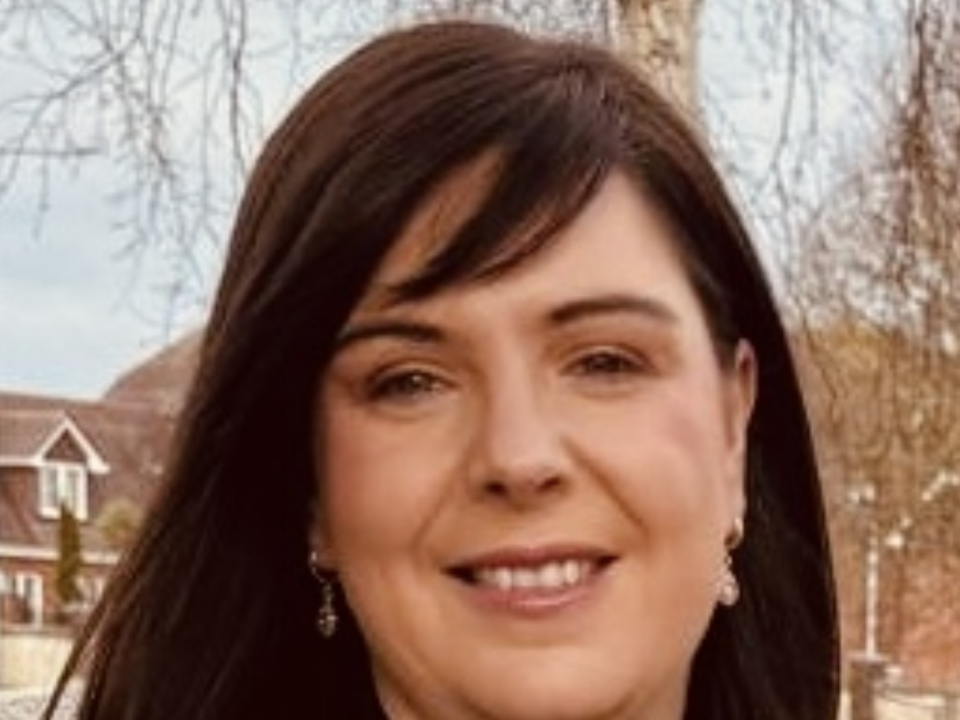
MS has changed the way Teresa thinks about her own wellbeing. She says it has made her more aware of external stressors and the importance of building boundaries.
It has also helped her recognise the need to prioritise self-care and ask for help when she needs it.
“It has helped me to look more inwards instead of always reflecting outwards and focusing too much on others’ perceptions and opinions.”
For someone newly diagnosed, Teresa’s advice is to seek out the right support and connect with others living with MS.
She says that, for the first eight years after diagnosis, she did not engage with services and did not personally know anyone else living with the condition. She now wishes she had reached out sooner.
“There is a world of guidance and support from people who understand. It is important to try and practise self-care if possible, even in a small way.”
Close family have been imperative in Teresa’s MS journey, especially during difficult times. She says friends can be wonderful, but people who are not living with MS may not always fully understand the significance of symptoms and struggles.
For Teresa, one of the hardest parts is looking well on the outside while struggling internally.
Meeting people through the MS Care Centre in Dublin and through MS Ireland’s Midwest services has played a pivotal role in her journey, giving her a strong sense of being understood and heard by people living with the same condition.
MS Ireland has also helped Teresa discover the MS Care Centre in Dublin, where she has spent a week on two occasions and met wonderful friends.
She says MS Ireland has helped her connect with people who understand MS, as well as becoming more educated about the condition.
Being part of the wider MS community has been life-changing for Teresa. It has allowed her to connect with people of a similar age and lifestyle, many of whom she remains in contact with and now considers part of her strongest support system.
One of the things that has surprised Teresa most is the lack of knowledge that some family and friends have about MS.
She also says the condition has forced her to focus more on herself, her self-worth and her self-care.
Fatigue is one of Teresa’s biggest challenges, along with the frustration that comes with it.
Over the past three years, her life has changed significantly. She went from working as a clinical nurse specialist, helping others with little time to focus on herself, to being at home and learning to prioritise self-care, family and health.
“There has been a big loss of identity and this has been a struggle. I continue to work on making my health a priority with support and guidance from others.”
To manage her MS physically and emotionally, Teresa says being surrounded by others living with the condition helps.
Family support is also important, along with striving to remain as active as possible to support both her physical and emotional wellbeing.
Teresa is proud that, while living with MS, she achieved her dream job as a clinical nurse specialist in palliative care.
In that role, she was able to support people with many illnesses and conditions, including people living with MS and their families.
She is also proud of raising her two sons while living with MS and of becoming more open about her condition, something she says did not always come easily.
Teresa is keen to challenge common misconceptions about MS, including the belief that everyone with MS will become a wheelchair user, or that MS must be physically visible before it is acknowledged.
Her message to others living with MS is clear:
“Surround yourself with people living with the condition or those with knowledge of the condition. Don’t be afraid to ask for help, delegate tasks, prioritise and focus on self-care even in a small way. It’s okay to say no and protect your energy.”
For Teresa, World MS Day is important because it reminds the wider community that MS exists.
It also helps educate people living with MS and the wider public, creating awareness for those newly diagnosed as well as those who have lived with the condition for many years.
Teresa’s story is one of resilience, self-discovery and connection, showing the importance of support, self-care and finding strength through community while living with MS.